



What if the key to a longer, healthier life wasn’t about punishing workouts, but about smarter, safer movement tailored to your body and your city? For many of us, the world of fitness is a confusing landscape of conflicting advice and fleeting trends. This noise creates uncertainty, especially when you’re managing a family’s health or a chronic condition.
This guide introduces the concept of ‘lifespan fitness’, a proactive, evidence-based approach to health that serves every member of your family, from energetic children to esteemed grandparents. We understand the unique challenges and opportunities of staying active in Dubai, from the summer heat to the world-class indoor facilities. This article cuts through the fads to provide a single, definitive resource you can trust.
As a Sports Science graduate and fitness trainer with over 15 years of experience, I specialize in creating safe and effective programs for all ages, particularly for individuals managing conditions like Type 2 Diabetes and Osteoarthritis. My mission is to empower you with scientifically-backed knowledge to build a sustainable, healthy, and active life right here in Dubai.
Foundations of lifespan fitness: why ‘movement as medicine’ is your best long-term investment
In an age of social media influencers, the term ‘fitness’ has become diluted. We anchor our approach in evidence-based fitness, which means our recommendations come from rigorous scientific research and global health authorities, not fleeting trends. This philosophy is about understanding the profound and proven impact of physical activity on our well-being.
Many people fall into the “all-or-nothing” trap, believing that if they can’t train like an elite athlete, there’s no point. The data says otherwise. The World Health Organization (WHO) consistently highlights the severe risks of inactivity, while research shows that moderate, consistent activity provides the vast majority of health benefits.
The goal is to improve your ‘healthspan’, not just your ‘lifespan.’ We want to live better and more independently for longer. This is achieved by focusing on the four pillars of functional fitness for longevity:
- Aerobic capacity: The efficiency of your heart and lungs to fuel your body with oxygen.
- Muscular strength: The ability of your muscles to exert force, crucial for everything from carrying groceries to preventing falls.
- Flexibility and mobility: The range of motion in your joints, which is essential for pain-free movement.
- Balance and stability: The body’s ability to maintain its center of gravity, a critical skill for preventing injury.
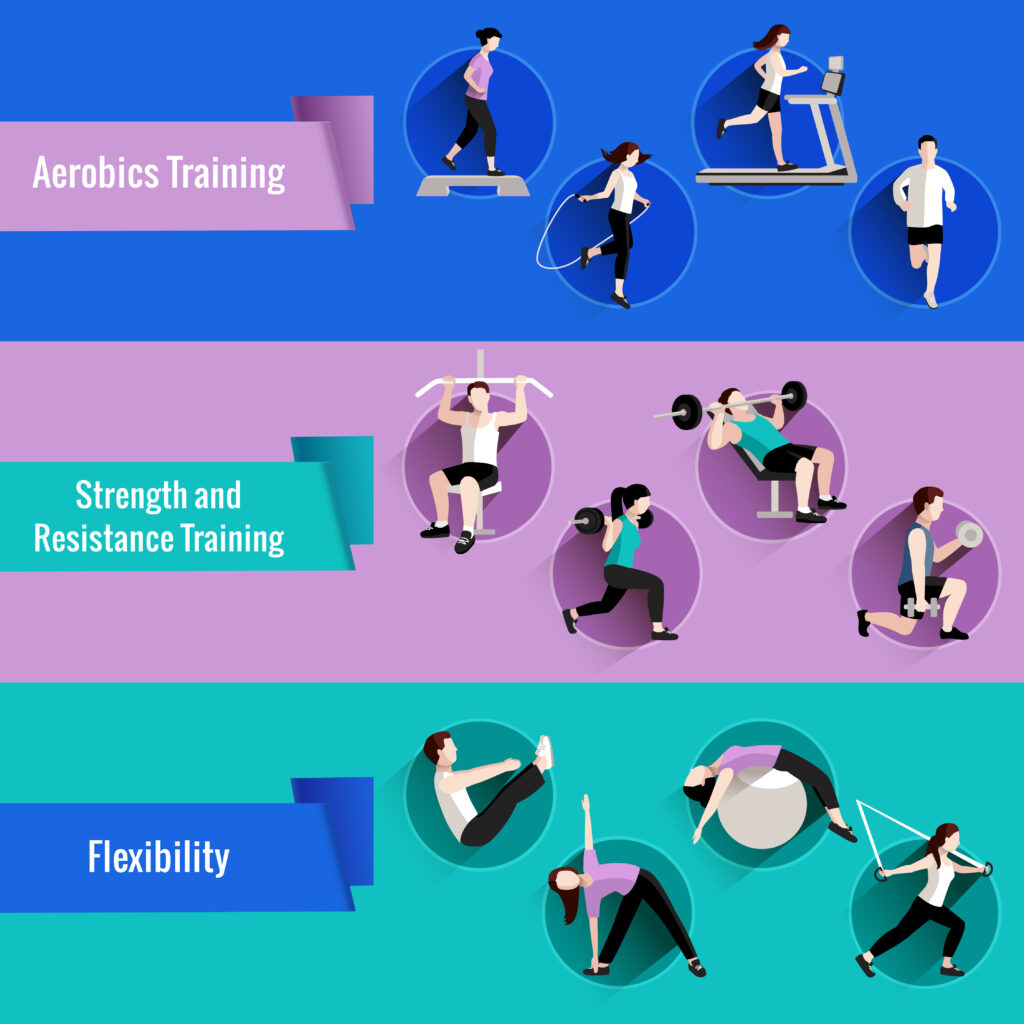
The principles discussed here are grounded in extensive research, such as the comprehensive Physical Activity Guidelines for Americans from the U.S. Department of Health and Human Services, a foundational source for evidence-based exercise recommendations.
The Dubai dilemma: overcoming unique challenges to staying active in the emirate

Living in Dubai offers an incredible lifestyle, but it also presents unique obstacles to maintaining consistent physical activity. By acknowledging and planning for these challenges, we can turn them into opportunities.
- The ‘AC bubble’ lifestyle: Moving from an air-conditioned home to an air-conditioned car to an air-conditioned office can lead to a state of “movement starvation.” This sedentary, climate-controlled existence has a significant impact on metabolic health and can contribute to Vitamin D deficiency, even in a city known for its sun.
- Solving the ‘seasonal yoyo’: Many residents are active during the pleasant winter months but become completely sedentary from June to September. To maintain activity during the summer, consider mall walking routes (The Dubai Mall offers a vast, climate-controlled environment), exploring indoor sports facilities like Dubai Sports World, or establishing a consistent home workout circuit.
- Counteracting the ‘weekend warrior’ syndrome: Going from a week of sitting to high-intensity Padel or football is a recipe for injury. To prevent common injuries like Achilles tears or back spasms, implement a simple 5-minute pre-activity warm-up focusing on dynamic stretches like leg swings, torso twists, and walking lunges.
The hydration equation for Dubai
In a climate where temperatures regularly top 40°C, “drink more water” is too vague to be useful advice. You need a tactical approach to prevent heat exhaustion. Follow this simple protocol:
- Pre-load: Drink 500ml of water 2 hours before your outdoor activity to ensure you start fully hydrated.
- Maintenance: Aim for 150-250ml every 15-20 minutes during activity. If you are sweating heavily, you are losing electrolytes, so consider a pinch of salt or an electrolyte tab.
- The Urine Test: The simplest metric for your hydration status is color. Aim for “pale straw.” If it is dark yellow or amber, your performance is already compromised, and you need to rehydrate immediately.
Turning challenges into opportunities: Dubai’s world-class infrastructure is a major asset. Utilize the air-conditioned walkways connecting metro stations and malls, take advantage of the numerous indoor gyms and sports centers, and enjoy the beautiful public parks and beachfront tracks during the cooler seasons.
Evidence-based fitness blueprints part 1: children and adolescents (ages 6-17)

Establishing healthy habits early is crucial for lifelong wellness. The physical activity guidelines for children are focused on growth, development, and building a positive relationship with movement.
According to the WHO physical activity guidelines, children and adolescents should aim for an average of 60 minutes of moderate-to-vigorous intensity physical activity per day. This should include activities that strengthen muscle and bone at least 3 times per week.
Translating guidelines into practice:
- Moderate intensity includes activities like brisk walking, cycling on flat ground, or playground games where breathing and heart rate are noticeably elevated.
- Vigorous intensity includes activities like running, swimming, or sports like football or basketball, where breathing is deep and rapid.
Myth-buster: Does lifting weights stunt growth?
Let’s put this persistent myth to bed: lifting weights does not stunt a child’s growth. This old belief has no scientific backing. In fact, the American Academy of Pediatrics confirms that supervised resistance training is not only safe but essential for maximizing bone density during these critical growth years.
The Golden Rule: For children, the goal is technique and control, not maximum weight. Focus on bodyweight squats, climbing, or carrying light objects to build a foundation of strength. This mechanical tension is what builds the robust skeletal system they will rely on for the rest of their lives.
Addressing ‘iPad posture’:
To counteract the effects of prolonged screen time, incorporate these simple movements:
- Cobra pose: Lying on the stomach, gently push the chest off the floor to stretch the front of the body and strengthen the back.
- Cat-cow stretch: On hands and knees, alternate between arching and rounding the back to promote spinal mobility.
- Wall angels: Stand with your back against a wall and slide your arms up and down, keeping contact with the wall to open up the chest and shoulders.
Dubai-specific activity ideas:
- Summer (Indoor): Indoor walking tracks (like Dubai Sports World), indoor climbing gyms (like Mountain Extreme), or swimming lessons in a temperature-controlled pool.
- Winter (Outdoor): Cycling on the Kite Beach track, exploring local park playgrounds, or joining a youth sports league.
Evidence-based fitness blueprints part 2: the adult ‘desk body’ reset (ages 18-64)

For most adults, the primary challenges are overcoming a sedentary work life and finding an efficient, sustainable routine. The goal is to combat the effects of prolonged sitting and build a resilient body.
The U.S. Department of Health and Human Services and the American College of Sports Medicine (ACSM) recommend that adults aim for:
- 150-300 minutes of moderate-intensity aerobic activity per week (e.g., brisk walking, cycling, swimming).
- OR 75-150 minutes of vigorous-intensity aerobic activity per week (e.g., running, HIIT).
- Plus, muscle-strengthening activities involving all major muscle groups on 2 or more days a week.
Combatting the ‘desk body’:
Prolonged sitting leads to tight hips and weak glutes. Break up sitting time every 30-60 minutes. Incorporate these simple office-friendly mobility drills:
- Seated hip stretch: Cross one ankle over the opposite knee and gently lean forward.
- Standing desk squat: Hold onto your desk for support and perform 10 slow, controlled bodyweight squats.
- Doorway chest stretch: Place your forearms on a door frame and gently step through to open up the chest and shoulders.
Sample weekly structure for a busy professional:
- Monday & Thursday: 30 minutes of strength training (full body).
- Tuesday & Friday: 45-minute brisk walk or cycle.
- Wednesday: Rest or light activity like stretching.
- Saturday: A longer activity you enjoy, like a yoga class or a game of Padel.
- Sunday: Rest.
A key to avoiding injury is to prioritize proper form. Before increasing the load, ensure you understand the mechanics of the lift. Read my guide on Sports Science 101: The 5-Step Blueprint to Mastering Your Biomechanics to perfect your technique.
Evidence-based fitness blueprints part 3: thriving in your golden years (ages 65+)
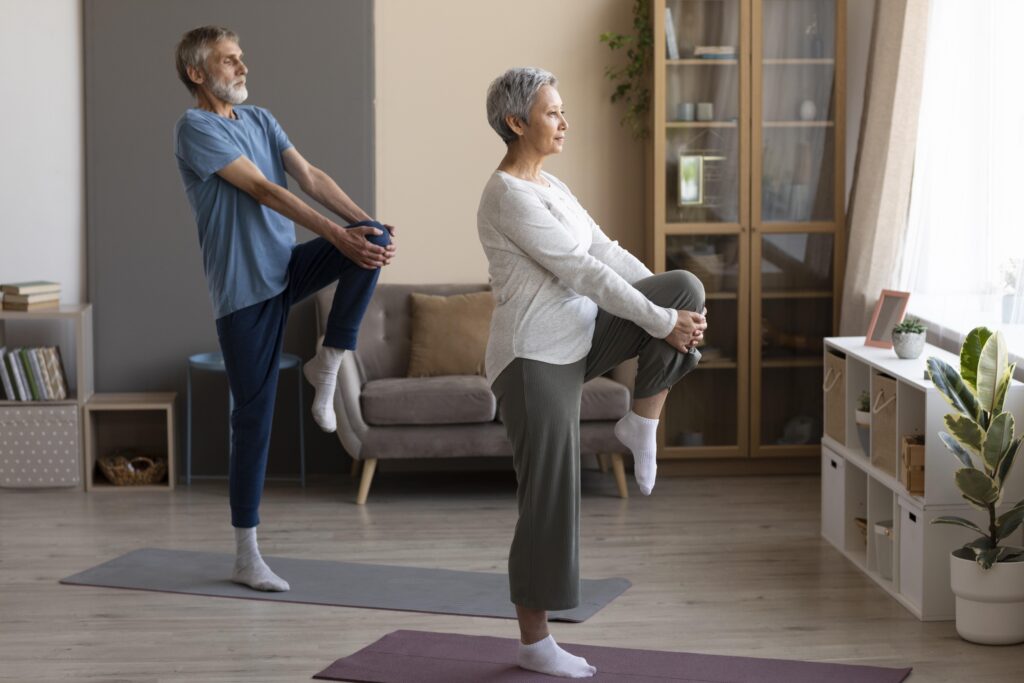
For older adults, the focus of fitness shifts towards maintaining independence, preventing falls, and preserving bone and muscle mass.
The WHO guidelines for older adults are similar to those for younger adults but with a critical addition: multicomponent physical activity that enhances functional balance and strength at moderate or greater intensity, on 3 or more days a week, to enhance functional capacity and prevent falls.
Focus on fall prevention:
Balance training is non-negotiable for maintaining independence. Practice these safe, at-home exercises daily:
- Single-leg stance: Hold onto a sturdy chair or countertop and practice standing on one leg for 10-30 seconds.
- Heel-to-toe walk: Walk in a straight line, placing the heel of one foot directly in front of the toes of the other.
- Sit-to-stand: Practice rising from a chair without using your hands.
Strength training for bone health:
It is a myth that seniors shouldn’t lift weights. In fact, resistance training is one of the most effective ways to combat age-related muscle loss (sarcopenia) and bone density loss (osteoporosis).
- Good: Chair squats (sitting down and standing up from a sturdy chair).
- Better: Bodyweight squats.
- Best: Goblet squats (holding a light weight against your chest).
Dubai-specific considerations:
During the cooler months, Dubai offers many safe, flat, and accessible walking areas perfect for seniors. Consider the soft, cushioned running tracks at Safa Park or Zabeel Park, or the wide, flat promenades at JBR or Dubai Marina.
Exercising safely with type 2 diabetes: your evidence-based guide
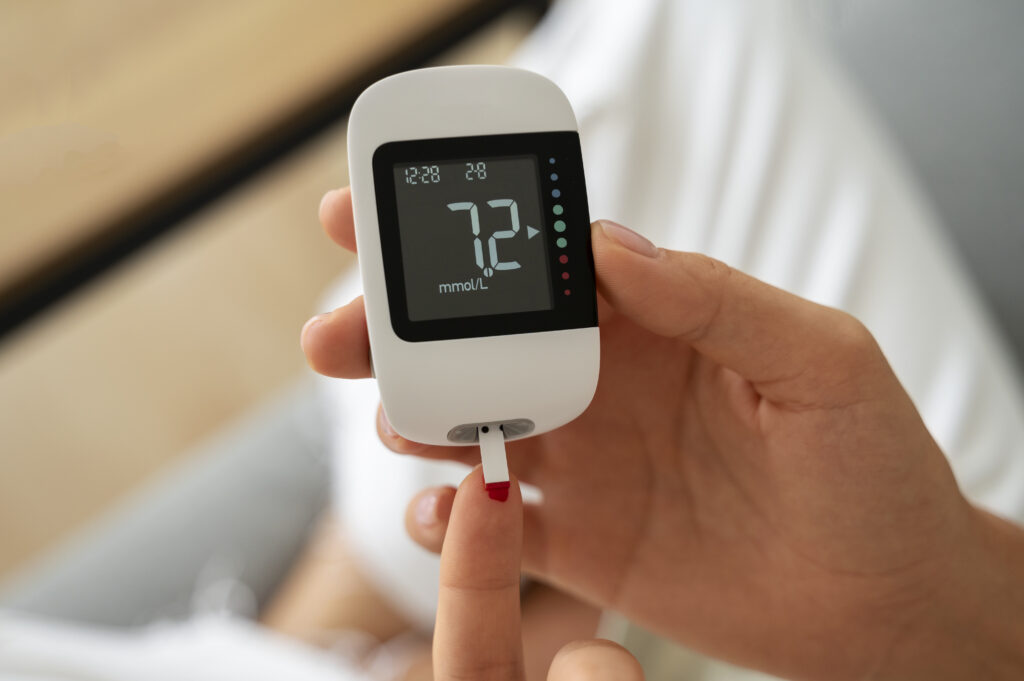
If you are living with Type 2 Diabetes, exercise is not just recommended—it is one of the most powerful tools you have for managing your condition. Physical activity helps the body use insulin more effectively, which can improve blood sugar control.
The key is to approach exercise with a clear safety plan. Because the insulin-sensitizing benefits of a single workout wear off rapidly, it is encouraged for optimal control from the American Diabetes Association (ADA) to aim for activity 5 to 6 days per week. Crucially, you should never allow more than 48 hours to pass between sessions to maintain stable blood sugar control. Beyond just frequency, these guidelines emphasize the importance of combining aerobic exercise with resistance training for optimal glycemic control.
Your safety checklist:
- Before exercise: Check your blood sugar. If it’s too low (<100 mg/dL) or too high (>250 mg/dL), follow your doctor’s protocol before starting. Hydrate well.
- During exercise: Listen to your body. Keep a source of fast-acting carbohydrates (like glucose tablets or a small juice box) with you in case of hypoglycemia (low blood sugar).
- After exercise: Monitor your blood sugar again. Rehydrate and have a balanced snack or meal.
- Foot care: Always wear well-fitting, supportive shoes and check your feet for any cuts or blisters after activity, as nerve damage (neuropathy) can reduce sensation.
Recommended exercises:
- Low-impact aerobic activities like swimming, cycling (stationary or outdoor), and walking.
- Guided strength training with a qualified professional to ensure proper form and safety.
Red flags: Stop exercising immediately and consult your doctor if you experience dizziness, blurred vision, sudden fatigue, or chest pain.
Heart health and hypertension: managing the UAE’s #1 ‘silent threat’
High blood pressure (hypertension) isn’t just a concern for the elderly; it is a critical issue for Dubai’s workforce. A landmark 2021 report titled The Case for Investment in Prevention and Control of Non-Communicable Diseases in the United Arab Emirates prepared jointly by the Ministry of Health and Prevention, the WHO, and the UNDP, Confirms that cardiovascular disease is the leading cause of death in the country, accounting for approximately 40% of mortalities.
The report highlights a concerning reality: hypertension drives these numbers, yet control rates remain low. Perhaps most alarming for residents is that heart issues in the region often manifest a decade earlier than in Western populations, driven by the unique combination of high-stress corporate lifestyles and physical inactivity.
With the stakes this high, choosing the right exercise is a life-saving skill. Interestingly, a recent research published in the British Journal of Sports Medicine suggests that isometric exercises such as static planks or wall sits, are better than other forms of exercise at lowering blood pressure.
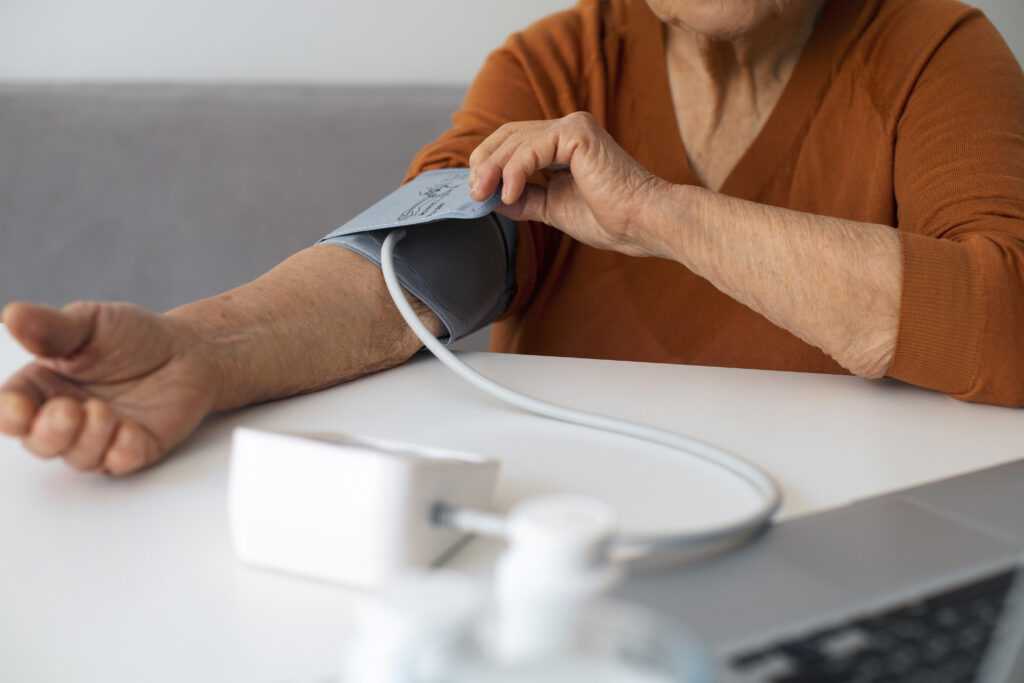
However, if you are managing hypertension, you must follow two non-negotiable safety rules:
- The ‘Head Above Heart’ Rule: Avoid exercises where your head dips below your heart (like decline bench presses or ‘downward dog’ yoga poses). These positions can cause a sudden spike in intracranial pressure.
- Breathe, Don’t Hold: Never hold your breath while lifting (the Valsalva maneuver). This causes internal pressure to skyrocket. Instead, focus on exhaling through the hardest part of the movement to keep your blood pressure stable.
Building strong bones: exercise strategies for osteoporosis
In the UAE, Vitamin D deficiency is common due to indoor lifestyles, increasing the risk of Osteoporosis (brittle bones). While nutrition is key, exercise is the signal that tells your bones to get stronger.
The ‘Loading’ Principle: Bones only grow stronger when they are forced to bear weight. Walking is good, but resistance training (lifting weights) is better. The impact sends a signal to the bone tissue to increase density.
Safety First – The ‘No-Twist’ Rule: If you have been diagnosed with Osteoporosis, you must be careful with your spine. Avoid exercises that involve forceful twisting or excessive rounding of the spine (like sit-ups or toe touches), as these can increase the risk of vertebral fractures. Focus on keeping a neutral spine and building strength in your hips and back using controlled movements.
A joint-friendly approach to exercise for arthritis management
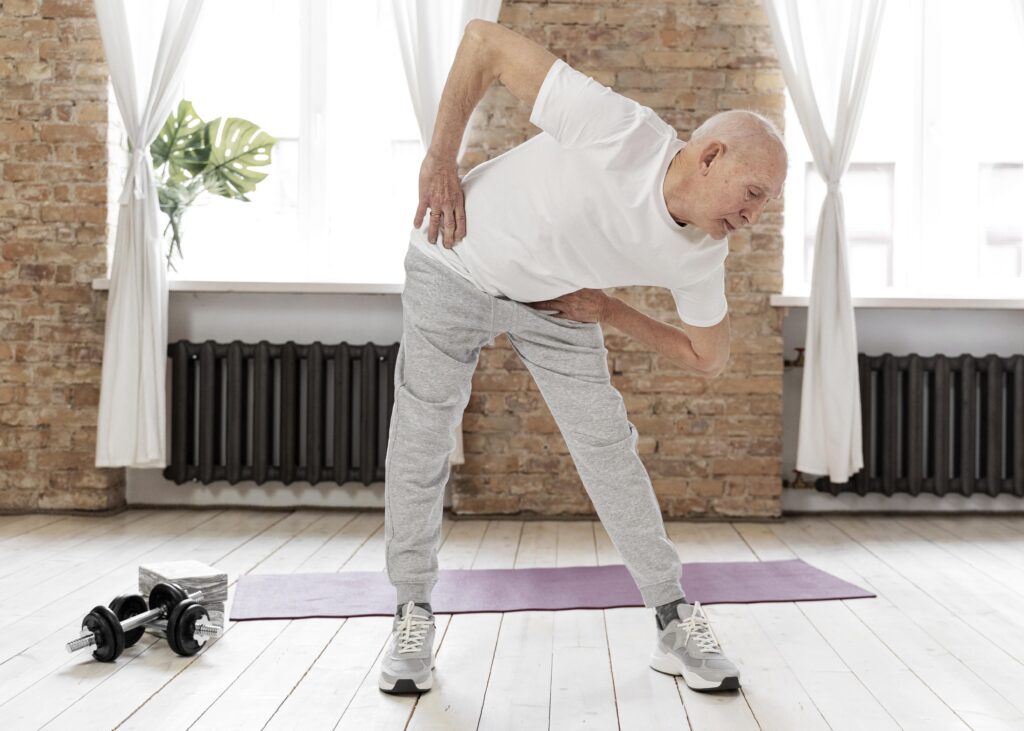
For individuals with arthritis, the idea of exercise can be intimidating. It often feels counterintuitive to move a joint that hurts. However, this is the ‘exercise paradox’ of arthritis: the right kind of movement is a proven therapy that can reduce pain, decrease stiffness, and improve function.
The CDC guidance on physical activity for arthritis confirms that exercise is crucial for managing symptoms. The focus should be on activities that build strength around the joints without causing further irritation. However, 2025 guidelines also place renewed emphasis on flexibility. Daily, gentle range-of-motion exercises (moving a joint through its full available path) are essential to prevent the stiffness that leads to long-term disability.
The ‘permission to modify’ framework:
Success with arthritis means adapting exercises to be joint-friendly.
- Instead of a full push-up, perform a push-up on your knees or against a wall.
- Instead of heavy free weights, use resistance bands to build strength with less joint strain.
- Instead of high-impact running, opt for a brisk walk or an elliptical machine.
Joint-friendly activities popular in Dubai:
- Aqua aerobics: The buoyancy of the water supports your body weight, reducing stress on joints. Many community pools offer temperature-controlled classes.
- Tai Chi: This gentle, flowing practice improves balance and mobility and can be practiced in parks like Safa Park during the winter.
- Stationary cycling or elliptical: These gym machines provide an excellent cardiovascular workout with minimal impact.
Red flags: It’s important to distinguish between the normal muscle soreness that comes from a good workout and joint pain that signals a problem. If you experience sharp, stabbing, or constant pain, stop immediately and consult a medical professional.
Once acute injury is ruled out, addressing the root cause is vital to prevent recurrence. You can learn how to screen yourself for underlying movement faults in my guide on The Proven Science of Pain-Free Training.
Building your Dubai lifespan fitness plan: practical tools and resources
Knowing the guidelines is the first step. Putting them into a practical, weekly plan is the next. The F.I.T.T. principle (Frequency, Intensity, Time, Type) is a simple tool to structure your efforts.
| Age Group | Frequency | Intensity | Time | Type |
|---|---|---|---|---|
| Children (6-17) | Daily | Moderate to Vigorous | 60 mins/day | Mix of aerobic (play), strength (climbing), and bone-loading (jumping) |
| Adults (18-64) | 3-5 days/week | Moderate | 150-300 mins/week | Mix of aerobic (brisk walk, cycle) and 2x strength sessions |
| Seniors (65+) | 3-5 days/week | Light to Moderate | 150+ mins/week | Mix of aerobic (walk, swim), 2x strength, and 3x+ balance sessions |
Sample plan for a ‘Health-Conscious but Cautious’ adult in Dubai:
- Mon/Wed: 45-minute brisk walk through a mall or along a local track.
- Tues/Thurs: 30-minute home-based strength circuit (squats, push-ups, planks, rows with bands).
- Fri: Rest.
- Sat: Weekend yoga class or a family bike ride in a park.
- Sun: Light activity like stretching.
Sample plan for a ‘Senior with Arthritis in Dubai’:
- Daily: 10 minutes of at-home balance exercises.
- Mon/Thurs: 45-minute aqua aerobics class.
- Tues/Fri: 20-minute home workout with light resistance bands.
- Wed/Sat/Sun: Rest or a gentle walk.
One of my 68-year-old clients in Dubai with osteoarthritis went from fearing walks due to knee pain to confidently playing with his grandchildren in the park after just three months on a tailored program focusing on aquatic exercise and glute strengthening. It demonstrates that the right plan can dramatically improve quality of life.
Dubai-specific resources:
- Parks with tracks: Safa Park, Zabeel Park, Kite Beach.
- Reputable fitness centers: Look for facilities with certified trainers who have experience with your specific age group or condition.
- Community initiatives: The annual Dubai Fitness Challenge (30×30) typically kicks off every November. Don’t wait for the event; adopt its “30 minutes of movement for 30 days” philosophy year-round as your baseline for lifespan fitness.
Conclusion: your first step towards a lifetime of healthy movement
Lifespan fitness is an achievable, adaptable journey, not a rigid destination. It’s about empowering yourself with evidence-based knowledge and understanding your local environment to take confident control of your health. The most important takeaway is that consistency over intensity is the true key to long-term success and a vibrant, active healthspan.
Feeling informed but need help creating a plan that’s perfectly tailored to you?
This article is for informational purposes only and does not constitute medical advice. The author, a Sports Science graduate and corrective exercise specialist with over 15 years of experience, provides this information based on their expertise. Always consult with a qualified healthcare professional before beginning any new exercise program, especially if you have a pre-existing medical condition or injury.
Expert FAQs your top questions on lifespan fitness in Dubai
What are the official fitness guidelines by age?
Official fitness guidelines by age recommend specific weekly amounts of aerobic and strength-building activities tailored to children, adults, and seniors to promote optimal health. For children, it’s 60 minutes daily; for adults, it’s 150 minutes of moderate activity plus two strength sessions weekly; and for seniors, it’s similar to adults with an added focus on balance exercises.
What are the safest exercises for seniors in Dubai?
The safest exercises for seniors in Dubai are low-impact activities like swimming or water aerobics in a temperature-controlled pool, guided strength training with light weights or bands, and balance exercises like Tai Chi, which can be done in parks during cooler weather.
What exercises should diabetics absolutely avoid?
Diabetics should avoid high-impact activities if suffering from foot neuropathy and exercising in extreme heat without hydration. Always check blood sugar levels before starting any workout
How can I exercise safely with arthritis pain?
To exercise safely with arthritis pain, focus on low-impact activities like cycling or swimming, warm up thoroughly, listen to your body and avoid movements that cause sharp pain, and work on strengthening the muscles around the affected joints for better support.
Is it safe to lift weights with high blood pressure?
Yes, resistance training is beneficial for hypertension, specifically isometric exercises like planks or wall sits which can help lower resting blood pressure. However, you must avoid holding your breath (the Valsalva maneuver) and avoid exercises where your head dips below your heart, as these can cause dangerous pressure spikes.
Does weightlifting stunt a child’s growth?
No, lifting weights does not stunt growth. The American Academy of Pediatrics confirms that supervised resistance training is safe and actually increases bone density and lowers injury risk in children. The focus should always be on proper technique and control rather than lifting maximal heavy weights.
How can I stay active during the Dubai summer without a gym?
You can maintain fitness during the extreme heat by utilizing indoor “mall walking” routes (like The Dubai Mall), swimming in temperature-controlled community pools, or performing 20-minute bodyweight HIIT circuits at home. The key is to avoid “movement starvation” by keeping activity consistent indoors until the weather cools.