

You are doing the work, but you aren’t seeing the results. Why?
It is the most frustrating feeling in the world. You’re tired of the endless cycle of dieting, the noise of Instagram influencers, and the feeling that your metabolism is broken. You want answers, not more marketing hype.
Welcome to the right place.
This guide is different. We aren’t going to talk about “detox teas” or “weird tricks.” We are going to talk about physiology.
As a Sports Science graduate with over 15 years of experience, I have spent my career separating fact from fiction. My goal today is simple: to hand you a sustainable, science-backed framework that fits your real life. Whether you live in JLT or Jumeirah, this is your roadmap to understanding the core mechanics of fat loss once and for all.
We will cover the core science of how fat loss actually works, how to build a nutrition and exercise plan you can stick with, bust the most persistent myths, and provide unique, practical advice specifically for residents in the UAE.
The foundational science of fat loss (no bs)
The one rule: understanding the calorie deficit
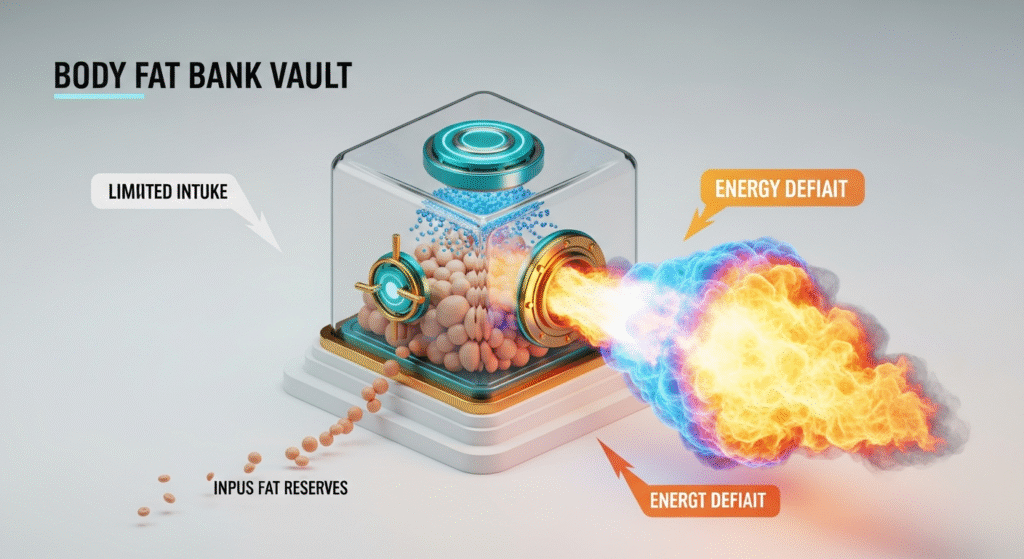
To put it simply, fat loss occurs when you consistently expend more energy (calories) than you consume. This is known as an energy balance, and creating a negative balance, or a calorie deficit, is the non-negotiable law of thermodynamics that governs fat loss.
Think of your body’s energy stores like a bank account. Calories from food are your deposits, and the energy you burn throughout the day are your withdrawals. To reduce your balance (stored body fat), you must withdraw more than you deposit. When your body needs energy but can’t get enough from food, it turns to its stored reserves—your body fat. According to research on the physiology of fat loss, the body then breaks down these stored triglycerides into fatty acids, which are transported to the muscles to be used as fuel.
Your metabolism: friend, not foe
Your metabolism isn’t a magical switch that’s either “fast” or “slow.” It’s the sum of all the chemical processes that keep you alive, and it’s not easily broken. It’s made up of three main components:
- Basal metabolic rate (BMR): The energy your body uses at rest just to keep your organs functioning. This is the biggest contributor to your daily calorie burn.
- Thermic effect of food (TEF): The energy used to digest, absorb, and process the food you eat.
- Activity expenditure: The energy you burn from both formal exercise and all other daily movement (TDEE, or Total Daily Energy Expenditure).
Many people fear they have “metabolic damage” from past dieting. This isn’t a clinical reality. What actually occurs is a natural process called metabolic adaptation. As you lose weight, your body becomes smaller and requires less energy to function, so your BMR decreases. This is a normal, predictable survival response, not a sign that your metabolism is broken. Authoritative reviews on the metabolic consequences of weight loss confirm this is the body’s way of becoming more efficient in response to reduced intake.
How hormones really affect fat loss
Hormones like insulin, leptin, and ghrelin play a significant role in regulating hunger, fullness, and energy storage. However, they do not defy the law of energy balance.
- Insulin helps shuttle nutrients into cells.
- Ghrelin is the “hunger hormone” that signals your brain to eat.
- Leptin is the “satiety hormone” that signals you’re full.
While hormonal imbalances can make it harder to manage your appetite and stick to a plan, they don’t stop fat loss if a calorie deficit is present. Factors like poor sleep can disrupt these hormones, increasing ghrelin and decreasing leptin, which is why you might feel hungrier and less satisfied after a bad night’s sleep. The key takeaway is that hormones influence your behavior, but the calorie deficit does the work.
Body recomposition: losing fat while building muscle
For many beginners, the goal shouldn’t just be weight loss, but body recomposition—losing fat and building muscle simultaneously. This is the key to achieving a lean, toned physique rather than just becoming a smaller version of yourself.
This process is most effective for those new to proper training and requires two primary conditions:
- Adequate protein intake to provide the building blocks for muscle repair and growth.
- A progressive strength training stimulus to signal the body to build or retain muscle.
It’s a slower process than focusing solely on losing weight on the scale, but the aesthetic and metabolic results are far superior.
Building your sustainable nutrition plan
Protein: your non-negotiable for fat loss
If there is one macronutrient to prioritize for fat loss, it’s protein. It’s a powerful tool for three key reasons:
- Satiety: Protein is the most filling macronutrient, helping you feel fuller for longer and naturally reducing your overall calorie intake.
- Higher thermic effect of food (TEF): Your body burns more calories digesting protein compared to fats and carbohydrates.
- Muscle preservation: In a calorie deficit, adequate protein intake helps ensure you are losing primarily body fat, not precious, metabolically active muscle tissue.
A simple and effective target is to aim for 1.6-2.2 grams of protein per kilogram of your body weight. Excellent sources readily available in the UAE include chicken breast, lean beef, fish, eggs, Greek yogurt, lentils, chickpeas, and whey protein supplements.
Carbs and fats are not the enemy
The endless debate over whether carbs or fats are the enemy of fat loss is a distraction. Both are essential for your health. Carbohydrates are the body’s preferred source of energy for high-intensity exercise, while fats are crucial for hormone production and vitamin absorption.
The focus should be on food quality. Prioritize whole, minimally-processed carbohydrates like oats, potatoes, brown rice, and quinoa, and healthy fats from sources like avocado, nuts, seeds, and olive oil. As long as a calorie deficit is maintained, various macronutrient splits can be effective. A large-scale review of evidence-based dietary strategies concluded that the best diet is the one an individual can adhere to consistently.
A simple guide to portion control (no scale needed)
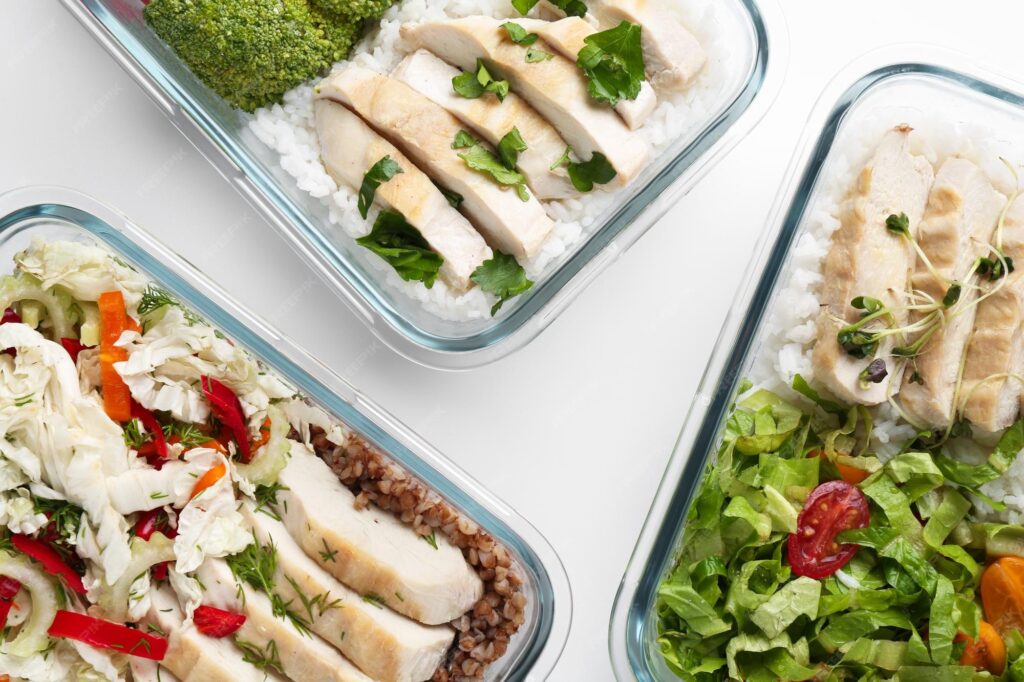
While tracking calories can be a valuable tool, it can feel overwhelming for beginners. A simpler starting point is to use your hand as a guide for portioning your meals.
- One palm for a serving of protein (e.g., chicken breast, fish fillet).
- One cupped hand for a serving of carbs (e.g., rice, potatoes).
- One thumb for a serving of fats (e.g., oils, nut butters).
- One fist for a serving of vegetables.
This method provides an easy, consistent way to manage your intake without the stress of meticulous tracking.
Meal planning and prep for busy people
Meal prep isn’t about spending your entire Sunday in the kitchen. It’s a strategy to reduce decision fatigue during a busy week. When you’re tired and hungry, having a healthy option ready makes it infinitely easier to stay on track.
Follow this simple 3-step process:
- Pick 2-3 protein sources for the week (e.g., chicken, ground beef, lentils).
- Pick 2-3 carb sources (e.g., brown rice, sweet potatoes, quinoa).
- Pick 3-4 vegetable sources (e.g., broccoli, bell peppers, spinach).
Cook these in batches and then mix and match them for lunches and dinners throughout the week.
The role of exercise in fat loss and body recomposition
Why strength training is more effective than cardio alone

Endless hours on the treadmill are not the most effective path to a lean physique. While cardiovascular exercise burns calories during the activity, strength training is the key to changing your body composition for the better.
Here’s why: strength training builds muscle. Muscle is metabolically active tissue, meaning the more you have, the more calories your body burns at rest, effectively increasing your BMR. When you diet without strength training, you risk losing muscle along with fat, which can lead to the “skinny-fat” look and a lower metabolism, making it harder to keep the weight off.
Your beginner’s weekly workout template
A simple and highly effective plan for a beginner is 2-3 full-body strength sessions per week on non-consecutive days. Focus on compound movements that work multiple muscle groups at once:
- Squats (or variations like goblet squats)
- Deadlifts (or variations like Romanian deadlifts)
- Push-ups (or incline push-ups)
- Rows (e.g., dumbbell rows)
- Overhead Press
The most important principle is progressive overload. This means you must continually challenge your muscles by gradually trying to do more over time—either by lifting more weight, doing more reps, or improving your form. For a detailed, ready-to-use plan, our 8-Week Beginner Fat Loss Program is the perfect next step.
How to use cardio strategically
Cardio is a valuable tool, but its role should be strategic. Think of it as a way to increase your total daily energy expenditure and improve your heart health, not as the primary driver of fat loss.
Aim for 2-3 sessions of 20-30 minutes of low-to-moderate intensity steady-state (LISS) cardio per week. This could be incline walking on a treadmill, cycling, or using an elliptical. The goal is to elevate your heart rate without feeling completely exhausted. Avoid the mindset of using cardio to “punish” yourself for eating certain foods, as this can foster an unhealthy relationship with both food and exercise.
The importance of neat (non-exercise activity thermogenesis)

NEAT is one of the most underrated tools for fat loss. It represents all the calories you burn from movement that isn’t formal exercise—walking to your car, fidgeting at your desk, taking the stairs, or doing chores.
Individually, these activities don’t burn many calories, but they add up significantly over the day. Making a conscious effort to increase your NEAT is a powerful way to increase your calorie deficit without spending more time in the gym. Simple, actionable goals include aiming for 8,000-10,000 steps per day, always taking the stairs instead of the elevator, and parking further away from the entrance of the mall or your office.
Beyond diet and exercise: sleep and stress
How poor sleep sabotages fat loss
You can have the perfect diet and training plan, but if your sleep is consistently poor, you are fighting an uphill battle. Lack of sleep sabotages fat loss efforts in two main ways:
- Hormonal impact: It increases ghrelin (the hunger hormone) and decreases leptin (the fullness hormone), making you feel hungrier and less satisfied after meals.
- Behavioral impact: When you’re sleep-deprived, your willpower is lower, and your brain’s reward centers light up in response to high-calorie, hyper-palatable foods.
Aim for 7-9 hours of quality sleep per night. Improve your sleep hygiene by creating a cool, dark, and quiet bedroom environment and avoiding screens for at least an hour before bed.
Managing stress to stay on track
Chronic stress can also make fat loss more difficult. When you’re constantly stressed, your body produces excess cortisol, a hormone that can increase cravings for “comfort foods” that are typically high in fat and sugar.
Stress doesn’t magically prevent fat loss, but it makes adhering to a calorie deficit significantly harder by draining your willpower and driving poor food choices. Incorporate simple stress-management techniques into your routine, such as a 10-minute daily meditation, journaling, or taking a short walk in nature.
Fat loss myths and mindset: breaking the yo-yo cycle for good
Debunking the most common diet myths
- Myth 1: You need to do hours of cardio.
- Truth: Strength training to build muscle and increasing your daily NEAT are more critical for a sustainable metabolism and long-term results.
- Myth 2: Carbs make you fat.
- Truth: Excess calories from any source lead to fat gain. Quality carbohydrates are essential for energy and performance.
- Myth 3: You have to eat “clean” 100% of the time.
- Truth: The 80/20 rule (where 80% of your calories come from whole, nutrient-dense foods and 20% can be foods you enjoy) is far more sustainable and prevents the binge-restrict cycle.
- Myth 4: Intermittent fasting is magic for fat loss.
- Truth: Intermittent fasting is simply a tool to help control calorie intake by shortening your eating window. It is not inherently superior to other methods of creating a calorie deficit, as outlined in Harvard’s guide to healthy eating for weight loss.
Moving from a ‘diet’ to a ‘lifestyle’ mindset
The primary reason for yo-yo dieting is the “diet” mindset itself. A diet has a start and an end date. A lifestyle is a set of habits you maintain permanently.
The goal must be consistency not perfection. One meal or one day of going off-plan does not ruin your progress. The key is to get right back on track with your very next meal. Focus on building small, manageable habits that you can stick with day in and day out, because it’s these habits, not fleeting motivation, that will carry you to your goal.
Setting realistic goals and tracking progress
Aiming for extreme, rapid weight loss is a recipe for failure. A sustainable and realistic rate of fat loss is 0.5-1% of your body weight per week.
Furthermore, don’t let the scale be your only measure of success. Track your progress in multiple ways to stay motivated:
| Tracking Method | Why It’s Important |
|---|---|
| Progress Photos | Provides a clear visual record of body composition changes that the scale can’t show. |
| Body Measurements | A decreasing waist measurement is a fantastic indicator of fat loss, even if weight is stable. |
| How Clothes Fit | One of the most tangible and motivating signs of progress. |
| Gym Performance | Getting stronger (lifting more weight or doing more reps) is a clear sign you’re building muscle. |
A practical guide to fat loss in the UAE
Making smart choices with local cuisine
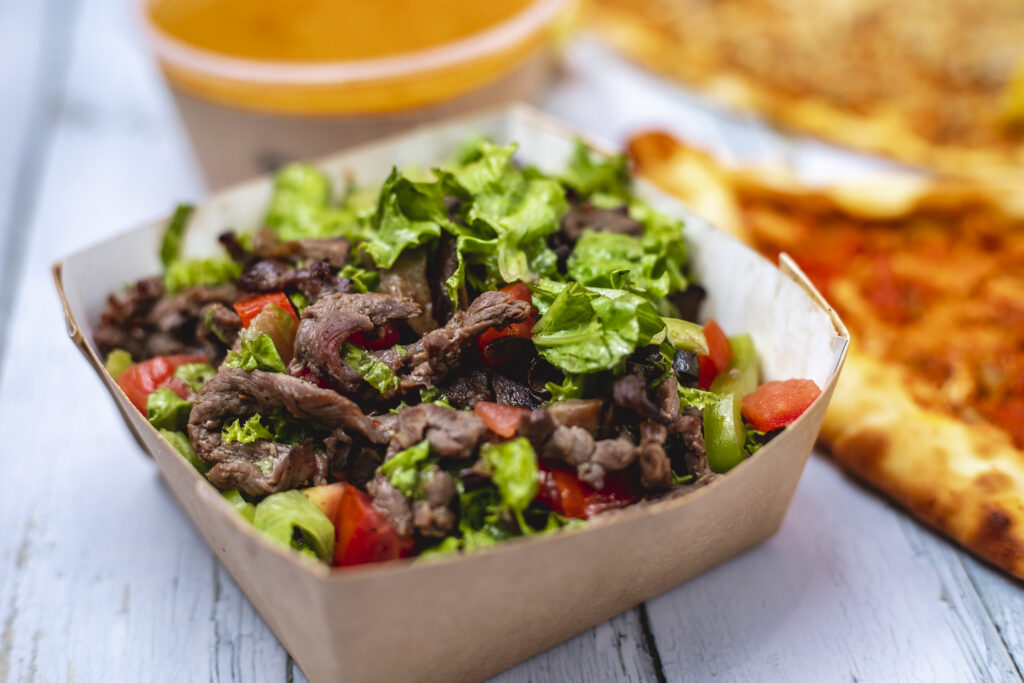
Living in the UAE doesn’t mean you have to give up your favorite local foods. A common challenge I see with clients in Dubai is navigating the delicious but often calorie-dense local cuisine. The key is to make simple, smart swaps.
| Common Dish | Standard Version | Smarter Swap |
|---|---|---|
| Shawarma | Served in bread with fries and heavy garlic sauce. | Shawarma bowl with extra meat and salad, sauce on the side. |
| Mixed Grill | Includes fried items like kibbeh and sambousek. | Focus on the grilled shish tawook and kebabs, skip the fried sides. |
| Halloumi | Often served fried in oil. | Ask for grilled halloumi with a side of fresh vegetables. |
| Hummus | Served with a large amount of olive oil and multiple pieces of bread. | Ask for less oil on top and use vegetable sticks for dipping. |
Navigating social events and cultural gatherings
The social calendar in the UAE, from Friday brunches to Iftar during Ramadan, can be a challenge. You can still enjoy these events without derailing your progress with a few strategies:
- Scan first, then serve: Walk around the buffet first to see all the options before putting anything on your plate.
- Prioritize protein and veggies: Fill half your plate with lean protein (grilled meats, fish) and salads before adding other items.
- Eat slowly and mindfully: Savor your food and pay attention to your body’s fullness signals.
- Hydrate: Drink plenty of water throughout the event.
Exercising effectively in the Dubai climate
The extreme heat for much of the year requires a smart approach to exercise.
- Time your workouts: Opt for early morning or late evening outdoor sessions to avoid the peak heat.
- Utilize indoor facilities: Take advantage of the world-class air-conditioned gyms available across the city.
- Stay hydrated: This is critical. Drink water consistently throughout the day, not just during your workout. The climate here can significantly impact your hydration status, a topic we explore further in our article on fat loss in Dubai’s climate.
Healthy grocery shopping in the UAE
Supermarkets like Carrefour, Spinneys, and Waitrose offer a wide variety of healthy options.
- Lean Proteins: Look for chicken breast, turkey, lean beef, white fish, and excellent plant-based options like lentils and chickpeas.
- Fresh Produce: Focus on local and seasonal vegetables for better value and freshness.
- Cost-Effective Tips: Don’t overlook frozen fruits and vegetables. They are just as nutritious as fresh and are often more affordable and longer-lasting.
Your journey to sustainable fat loss starts now
Fat loss isn’t about magic pills, punishing workouts, or extreme diets. It’s about understanding the fundamental science of energy balance and applying it with consistency.
The key pillars are simple and effective: create a sustainable calorie deficit, prioritize protein and strength training, manage your sleep and stress, and focus on building lasting habits rather than searching for short-term fixes. You now have the knowledge to cut through the noise, ignore the fads, and take control of your health journey for good.
If you’re ready to put this science into action with a proven, step-by-step plan, check out our 8-Week Beginner Fat Loss Program designed specifically to help you transform your body and build a healthier lifestyle in Dubai.
Frequently asked questions about fat loss
How can I lose belly fat specifically?
You cannot spot-reduce fat from a specific area like the belly. The only way to lose belly fat is to reduce overall body fat by maintaining a consistent calorie deficit through diet and exercise. As you get leaner overall, your belly fat will reduce.
How long does it take to see results from fat loss?
You may start to feel better and notice small changes in energy and how your clothes fit within 1-2 weeks, but visible physical changes typically take 4-8 weeks of consistent effort. A safe and sustainable rate of fat loss is about 0.5-1% of your body weight per week.
Do I need supplements to lose fat?
No, supplements are not necessary to lose fat. The foundation of fat loss is a calorie deficit, adequate protein, and strength training. While some supplements like protein powder can be a convenient way to meet your protein goals, they are not required for success.
Will lifting weights make me bulky?
No, lifting weights will not make you bulky, especially for women. Building significant muscle mass is a very slow and difficult process that requires a dedicated calorie surplus and specific training protocols. For fat loss, strength training is the key to building a lean, toned physique and boosting your metabolism.
About the author
Abooyeah Fitness Trainer is a professional coach and writer with a degree in Sports Science with over 15 years of experience specializing in evidence-based fat loss and body recomposition. He is dedicated to cutting through the noise and providing clear, science-backed strategies that help clients achieve sustainable results without sacrificing performance or muscle.