

Men’s Health and Testosterone are the cornerstones of male vitality, yet after 30, they can feel like a losing battle against fatigue, stubborn fat, and a fading drive. You’re not just ‘getting older’, you’re dealing with a system knocked out of balance. The modern world, with its constant stress, poor sleep, and environmental pressures, actively accelerates the decline of these crucial hormones. The result isn’t inevitable; it’s a treatable condition with symptoms like low energy, declining muscle, and brain fog that can be systematically reversed.
This guide is not just another list of tips. It’s an integrated, evidence-based system—a playbook for the modern man to systematically optimize the hormonal foundation that governs energy, strength, and long-term wellness.
Throughout this article, you will learn the ‘why’ behind this decline and master the integrated system to counteract it. We will explore the foundational pillars of health, leverage strategic training protocols, and build a sustainable, step-by-step action plan to help you reclaim your peak vitality.
Looking for specific interventions right now? For a tactical checklist, read my deep dive on 10 Proven Ways to Increase Testosterone Naturally.
The silent decline: understanding the root causes of low testosterone in modern men
Before we can build, we must understand the forces working against us. The gradual decline of key male hormones is a natural process, but modern life has turned a slow slope into a steep drop for many. Understanding these root causes is the first step toward taking back control.
What is andropause and how is it different from menopause?
You may have heard the term ‘andropause,’ sometimes called male menopause. Unlike menopause in women, which involves a rapid and complete cessation of hormone production, andropause is a much more gradual hormonal decline. The primary hormone involved is testosterone, which governs much more than just libido. It is essential for maintaining muscle mass, bone density, mood regulation, and sharp cognitive function.
This slow decrease is a normal part of aging, as confirmed by medical resources outlining the natural hormonal changes with age. However, the rate of this decline is what we can influence.
Common signs and symptoms of low testosterone you can’t ignore
The symptoms of declining hormones can be subtle and are often mistakenly dismissed as simple signs of aging. According to leading medical institutions like the UCSF Department of Urology, understanding low testosterone (hypogonadism) begins with recognizing these key signs:
Physical symptoms:
- Persistent fatigue and low energy levels, regardless of sleep.
- Increased body fat, especially around the abdomen (visceral fat).
- A noticeable loss of muscle mass and strength.
- Reduced libido or sexual desire.
Mental & emotional symptoms:
- ‘Brain fog’ or difficulty concentrating.
- A persistent lack of motivation or drive.
- Increased irritability and mood swings.
Beyond age: the modern lifestyle factors accelerating hormonal imbalance

While your age is a factor, your lifestyle is a powerful accelerator of hormonal decline. Four key culprits of modern life are working against your biology:
- Chronic stress: A fast-paced, high-pressure lifestyle leads to chronically elevated levels of the stress hormone, cortisol, which directly interferes with testosterone production.
- Poor sleep: The majority of your daily testosterone is produced during the deep stages of sleep. Consistently getting less than 7-8 hours of quality sleep can significantly blunt this crucial process.
- Nutrient deficiencies: Modern processed diets are often stripped of the key vitamins and minerals required for hormone production, such as zinc, magnesium, and vitamin D.
- Environmental factors: We are increasingly exposed to endocrine disruptors—chemicals found in plastics, personal care products, and our water supply—that can interfere with the body’s natural hormone signaling.
The cortisol-testosterone seesaw: why managing stress is non-negotiable
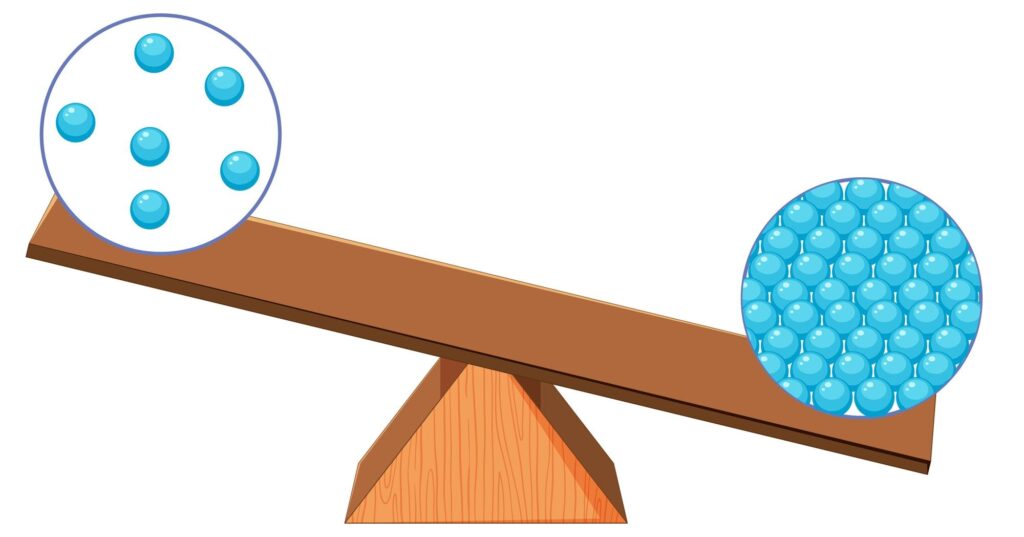
To truly grasp the impact of stress, picture a seesaw. On one side, you have cortisol, and on the other, testosterone. Biologically, these two hormones are made from the same precursor building block, a hormone called pregnenolone.
When your body is under chronic stress, it perceives a constant state of emergency. To cope, it shunts resources toward producing more cortisol. This process effectively “steals” the raw materials that would have otherwise been used to produce testosterone. As cortisol goes up, testosterone is pushed down. This makes managing stress not a luxury, but a non-negotiable requirement for hormonal health.
The non-negotiable foundation: mastering nutrition, sleep, and stress for hormonal balance
You cannot build a strong house on a weak foundation. Before considering any advanced strategies, you must master the three pillars that govern your entire hormonal system: how you fuel, how you recover, and how you manage stress.
Fueling the machine: macronutrients and micronutrients for optimal testosterone production

The food you eat provides the literal building blocks for your hormones. Your diet should be rich in the following:
- Protein: Crucial for repairing and building muscle, which in turn supports a healthy hormonal environment. Aim for high-quality sources like lean meats, fish, eggs, and legumes.
- Healthy fats: The low-fat craze of past decades was detrimental to male health. Your body uses dietary cholesterol as a precursor to synthesize testosterone. Prioritize sources like avocados, olive oil, nuts, seeds, and whole eggs.
- Complex carbohydrates: These are essential for fueling high-intensity workouts and helping to manage cortisol levels. Focus on whole-food sources like sweet potatoes, oats, quinoa, and vegetables.
- Key micronutrients: Three minerals are particularly critical for the testosterone production pathway:
- Zinc: Found in red meat, shellfish (especially oysters), and seeds.
- Magnesium: Found in leafy greens, nuts, and dark chocolate.
- Vitamin D: Best obtained from sun exposure, but also found in fatty fish and fortified foods.
Sleep like a lion: tactical strategies to maximize deep sleep and hormone release
Your body produces the majority of its daily testosterone while you sleep. Poor sleep is like trying to run your body’s hormone factory with the power shut off. Go beyond just “getting 8 hours” with these tactical strategies:
- Create a cave: Your bedroom should be completely dark, cool (around 65°F or 18°C), and quiet.
- Establish a wind-down routine: For the last 30-60 minutes before bed, turn off all screens. The blue light from phones and TVs disrupts melatonin production. Instead, read a book, stretch, or meditate.
- Get morning sunlight: Exposing your eyes to natural sunlight within the first hour of waking helps to set your body’s internal clock, or circadian rhythm, leading to better sleep at night.
- Avoid late-night disruptors: Finish your last meal at least 2-3 hours before bed and avoid alcohol, which can severely disrupt deep sleep stages.

Mastering your stress response: practical techniques to lower cortisol
To rebalance the cortisol-testosterone seesaw, you need simple, repeatable tools to manage your daily stress response. These techniques don’t require a retreat to a monastery; they can be integrated into the busiest of schedules.
- Box breathing: A simple but powerful technique. Inhale for a count of four, hold for four, exhale for four, and hold for four. Repeat for 5 minutes to calm your nervous system.
- Mindful movement: Take a 10-minute walk outside, without your phone. The combination of light physical activity and nature is a proven cortisol reducer.
- Strategic downtime: Schedule two 15-minute breaks into your workday where you step away from your screen. This isn’t laziness; it’s a strategic intervention to prevent cortisol from building up throughout the day.
Building functional muscle for life: strategic strength training to boost testosterone and vitality
If there is one single activity that provides the most powerful signal for hormonal optimization in men, it is resistance training. It is the engine of vitality and a non-negotiable tool for long-term health.
Why resistance training is the single most powerful tool for men over 30
In my 15 years of training men in this age group, the single most transformative habit is a well-structured resistance training program. The act of lifting heavy weights creates a powerful hormonal signaling cascade throughout the body that acutely stimulates testosterone production.
But the benefits go far beyond that immediate boost. Building and maintaining muscle mass:
- Improves insulin sensitivity: Muscle acts as a storage tank for glucose, helping to prevent fat storage and metabolic disease.
- Increases bone density: The stress of lifting strengthens your skeleton, protecting against age-related fractures.
- Builds a ‘metabolic savings account’: More muscle means a higher resting metabolism, making it easier to stay lean. Muscle is the key to longevity.
The core principles: compound movements and progressive overload

Generic advice to “lift weights” isn’t enough. To get the desired hormonal response, your training must be built on two foundational principles:
- Compound lifts: These are multi-joint exercises that recruit large amounts of muscle mass. Think squats, deadlifts, overhead presses, and rows. They are far superior to isolation exercises (like bicep curls) for triggering a robust hormonal response because they place a greater demand on the entire body.
- Progressive overload: This is the cornerstone of all effective strength training. It simply means that for your muscles to grow stronger, you must gradually increase the demand placed upon them over time. This can be done by adding a small amount of weight to the bar, performing one more repetition with the same weight, or reducing your rest time between sets.
Structuring your week for maximum results and recovery
For most men over 30, a highly effective and sustainable schedule involves 3 to 4 resistance training sessions per week. This can be structured as full-body workouts or an upper/lower body split.
Crucially, you must remember that hypertrophy (muscle growth) and hormonal adaptations don’t happen in the gym; they happen during recovery. This is why the sleep and nutrition principles discussed earlier are so critical. According to the ACSM guidelines on resistance training, providing adequate recovery is essential for progress and injury prevention.
Sample full-body workout for men’s health optimization
Here is a sample two-day, full-body template. Alternate between Workout A and Workout B, with at least one day of rest in between (e.g., Mon: A, Wed: B, Fri: A).
| Workout A | Sets x Reps | Rest |
|---|---|---|
| Barbell Squats | 3 x 5-8 | 90s |
| Bench Press | 3 x 5-8 | 90s |
| Barbell Rows | 3 x 8-10 | 60s |
| Face Pulls | 3 x 12-15 | 60s |
| Workout B | Sets x Reps | Rest |
|---|---|---|
| Deadlifts | 3 x 5 | 90s |
| Overhead Press | 3 x 5-8 | 90s |
| Pull-ups (or Lat Pulldowns) | 3 x 8-10 | 60s |
| Bicep Curls | 2 x 10-12 | 60s |
Notes: Always perform a 5-10 minute warm-up. Focus on perfect form before adding weight. The Deadlift is the most potent testosterone-boosting lift in this program, but it also carries the highest injury risk if performed incorrectly. Ensure you brace your core and engage your lats before every pull.
Beyond the basics: evidence-based supplements and natural testosterone support
Once your foundation of training, nutrition, sleep, and stress management is solid, certain supplements can act as accelerators. However, they must be viewed through a critical, evidence-based lens.
Supplements as accelerators, not magic pills
Let’s be clear: no supplement can fix a bad diet, poor sleep, or a lack of training. Supplements can only be effective once the foundational pillars are firmly in place. This section is designed to distinguish between well-researched compounds that can support your efforts and the speculative “magic pills” that overpromise and underdeliver. An evidence-first approach is critical for building trust and achieving real results.
The ‘big three’: vitamin d, zinc, and magnesium

If you are going to supplement, these three are the most critical for hormonal health because they are directly involved in the testosterone production pathway and are common deficiencies in modern diets.
- Vitamin D: Often called the “sunshine vitamin,” it functions more like a hormone in the body. Many men are deficient, especially in winter months. It’s wise to get your levels tested, but a general recommendation is often 2000-4000 IU per day.
- Zinc: This mineral is essential for the enzymatic processes that create testosterone. A modest dose of 15-25mg of a bioavailable form like zinc picolinate can be beneficial.
- Magnesium: Involved in hundreds of bodily processes, including sleep quality and stress management. 300-400mg of magnesium glycinate before bed can support both sleep and hormone function.
Adaptogens for stress resilience: the role of ashwagandha
Adaptogens are natural compounds that help the body become more resilient to stress. This brings us back to the cortisol-testosterone seesaw. Ashwagandha is one of the most well-researched adaptogens, and its primary benefit for testosterone is its proven ability to help lower cortisol levels in stressed individuals. By blunting the chronic stress response, it allows your body to shift resources back toward optimal hormone production.
What about other ‘t-boosters’? a critical look
You will see countless other supplements marketed as “T-boosters,” such as D-Aspartic Acid, Tribulus Terrestris, and Fenugreek. While some of these have anecdotal support or preliminary studies, the scientific consensus on their direct and significant impact on testosterone is much weaker compared to foundational nutrients and proven adaptogens. Approach them with skepticism and prioritize the fundamentals first.
Measure what matters: understanding key health markers and when to consult your doctor
To truly take control of your health, you must move from guessing to knowing. Objective data is your most powerful tool. This means bridging the gap between natural optimization strategies and informed medical awareness.
Why you should establish a bloodwork baseline
Getting regular bloodwork is like looking under the hood of your car. It provides objective data that can guide your health journey and reveal underlying issues before they become major problems. It is the single most proactive step you can take. It’s essential to work with a qualified healthcare professional to order the correct tests and, more importantly, to interpret the results in the context of your personal health and symptoms.
Key blood markers to discuss with your doctor

When you have this conversation, here are the key markers to discuss to get a full picture of your hormonal health:
- Total and Free Testosterone: Total testosterone is all the testosterone in your blood. Free testosterone is the unbound, biologically active portion that your body can actually use. You need to know both.
- SHBG (Sex Hormone-Binding Globulin): This is a protein that binds to testosterone, making it inactive. High SHBG can lead to low free testosterone even if your total T is normal.
- Estradiol (E2): Men need a small amount of estrogen for health, but the ratio of testosterone to estrogen is critical.
- LH and FSH: These are signaling hormones from your brain that tell your testes to produce testosterone. They can help a doctor understand the root cause of any issues.
- Vitamin D and Cortisol: Testing these connects directly back to the foundational pillars of sun exposure and stress management.
Understanding your results: what’s ‘normal’ vs. ‘optimal’?
A critical concept to understand is the difference between “normal” and “optimal.” The standard reference ranges for testosterone on a lab report are often incredibly wide and are based on an average of the general population, which is often not a picture of vibrant health.
“Optimal” is the range where you feel and perform your best, which for many men is in the upper quartile of the standard range. This is why it’s so important to have a conversation with a qualified doctor who understands men’s health optimization and can interpret your results in the context of your symptoms and lifestyle goals.
Your 90-day action plan: an integrated system for reclaiming your energy and strength
Knowledge without action is useless. This 90-day plan translates this entire guide into a focused, step-by-step system. The goal is to build habits sequentially, creating a foundation that lasts.
Month 1: mastering the foundation
The first 30 days are about building the non-negotiable bedrock of your health.
- Focus area: Sleep and nutrition.
- Action steps:
- Set a strict sleep/wake schedule. Be in bed 8 hours before you need to wake up, even on weekends.
- Eliminate processed foods, sugary drinks, and industrial seed oils.
- Ensure every meal contains a quality source of protein and healthy fat.
- Begin a 3x per week full-body training program, focusing on perfect form.
Month 2: amplifying with strategic intensity
With the foundation in place, we now layer on intensity and stress management.
- Focus area: Training and stress management.
- Action steps:
- Apply the principle of progressive overload to your workouts. Aim to add a small amount of weight or one more rep to your main lifts each week.
- Incorporate a 5-minute daily stress management practice, such as the box breathing exercise.
- Consider scheduling an appointment with your doctor for baseline bloodwork at the end of this month.
Month 3: optimization and assessment
Now we refine the system with targeted interventions and assess our progress.
- Focus area: Supplementation and refinement.
- Action steps:
- Based on your bloodwork (if available) and symptoms, consider adding foundational supplements like Vitamin D or an adaptogen like Ashwagandha.
- Assess your progress. How are your energy levels, strength in the gym, mood, and body composition? What has improved the most?
- Use this assessment to plan your next 90 days of consistent effort.
Consistency over perfection: the key to long-term vitality
The goal is not to be perfect every single day. You will have days with poor sleep or a less-than-ideal meal. That’s life. The key to long-term vitality is consistency. One bad day doesn’t derail the system. Your success is determined by your ability to get right back on track with the next positive action.
Join the New Era of Men’s Health.
Take control of your health: your journey to peak vitality starts now
The fatigue, brain fog, and loss of strength you may be feeling are not an inevitable sentence of aging. They are a sign that your body’s system is out of balance—and you have the power to restore that balance.
By systematically addressing the core pillars of nutrition, sleep, stress management, and strategic strength training, you can create an internal environment that fosters hormonal health. You can reclaim your energy, rebuild your strength, and lay the foundation for decades of long-term wellness.
Your journey to peak vitality is a proactive choice. Don’t be overwhelmed by the scope of the system. Simply pick one action step from the 90-day plan—just one—and commit to implementing it today. Your future self will thank you.
Frequently asked questions about men’s health optimization
What are the first signs of low testosterone?
The first signs of low testosterone are often persistent fatigue, a noticeable lack of motivation, and a decline in libido. These are frequently accompanied by subtle changes in body composition, such as gaining fat more easily and finding it harder to build muscle, as well as cognitive issues like ‘brain fog’. If these symptoms persist, it’s worth discussing them with your doctor.
How can I optimize my testosterone naturally?
You can optimize testosterone naturally by consistently focusing on four key pillars: lifting heavy weights with compound exercises, getting 7-9 hours of quality sleep per night, managing stress to lower cortisol, and eating a diet rich in protein, healthy fats, and micronutrients like zinc and vitamin D.
Does strength training really boost testosterone?
Yes, strength training, particularly using heavy, compound movements like squats and deadlifts, has been scientifically shown to create an acute hormonal response that boosts testosterone levels. More importantly, it improves body composition and insulin sensitivity over the long term, which creates a more favorable environment for healthy hormone balance, as supported by consensus from bodies like the ACSM.
How long does it take to see results from these lifestyle changes?
While some benefits like improved energy from better sleep can be felt within days, most men will notice significant improvements in strength, body composition, and overall vitality within 90 days of consistent effort. This is a long-term strategy, and consistency over time is far more important than short-term perfection for achieving lasting results.
About the author
This guide is written by a Sports Science graduate with over 15 years of dedicated experience in the field of men’s health. My work focuses on creating evidence-based protocols that systematically improve vitality and longevity for men over 30. I specialize in the practical application of science to hormone optimization, functional strength training, and long-term wellness, helping men build a foundation for a stronger, more energetic future.