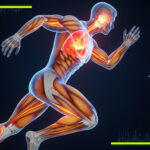


Did you know that protein makes up about 15% of your total body weight? It is not just a supplement for bodybuilders or a buzzword on a snack bar wrapper; it is the fundamental building block of life. Without it, your body cannot repair cells, regulate hormones, or build the muscle you are working so hard for in the gym.
As a Sports Science graduate with over 14 years of coaching experience in Dubai, I often see clients treating protein as an afterthought. Something to drink in a shake only if they went to the gym that day. This is a mistake. Whether you are an elite athlete sprinting on the Kite Beach track or a busy executive trying to stay lean, understanding the biology of protein is the key to unlocking your physical potential.
“The duration of the anabolic window can vary depending on individual factors.”
Georgia State University
This guide moves beyond the basics. We will explore the scientific definition of protein in biology, breakdown the classifications of protein, and provide a definitive list of the top 10 protein foods to fuel your performance.
- Note: Protein is just one piece of the puzzle. To see how it fits into a complete strategy for strength and aesthetics, check out my comprehensive hub article: Performance Nutrition: 6 Scientific Rules to Fuel, Recover, and Smash Plateaus.
What is the definition of protein in biology?
In biology, protein is defined as a large, complex biomolecule (macromolecule) comprised of one or more long chains of amino acid residues linked by peptide bonds.
Think of protein like a freight train. The train itself is the protein, but the individual cars linked together are the amino acids. There are 20 standard amino acids, and the specific sequence in which they are arranged determines the protein’s unique structure and function in the body.
Chemically, protein is unique among macronutrients because it contains Nitrogen, in addition to Carbon, Hydrogen, and Oxygen. This is why scientists often measure “Nitrogen Balance” to determine if a person is building muscle (positive balance) or losing it (negative balance).
A 2013 meta‑analysis found that protein timing around workouts can enhance strength and hypertrophy—but total daily intake is king (Schoenfeld, Aragon & Krieger, 2013). And don’t worry: sipping water during your Marina Beach run not only cools you off but also supports muscle protein synthesis (Popkin et al., 2010).

Without website navigation, your visitors can’t figure out how to find your blog, your email signup page, your product listings, pricing, contact information, or help docs.
More Read
What are the classifications of proteins?
To understand how protein works, we must look at the classification of protein. Proteins are categorized not just by their shape, but by their composition and function.
1. Classification by Structure (Shape)
- Fibrous Proteins: Long, rod-like chains that are insoluble in water. They provide structural strength.
- Examples: Keratin (hair, nails), Collagen (connective tissue), and Elastin.
- Globular Proteins: Spherical and soluble in water. They perform metabolic functions.
- Examples: Enzymes, Hemoglobin, and Insulin.
2. Classification by Composition (Chemistry)
- Simple Proteins: Upon hydrolysis, these yield only amino acids.
- Example: Albumin (egg whites).
- Conjugated Proteins: These consist of a protein part attached to a non-protein group (called a prosthetic group), such as lipids or metals.
- Examples: Lipoproteins (transporting fats), Hemoglobin (contains iron).
3. Classification by Nutritional Value (Amino Acid Profile)
For the fitness enthusiast, this is the most critical classification.
- Complete Proteins: These contain all 9 Essential Amino Acids (EAAs) in sufficient quantities. Your body cannot produce EAAs; you must get them from food.
- Sources: Animal products (meat, eggs, dairy) and select plant sources like quinoa and soy.
- Incomplete Proteins: These lack one or more of the essential amino acids.
- Sources: Most plant-based foods like beans, nuts, and grains. Note: Combining incomplete proteins (e.g., rice and beans) creates a complete profile.
To avoid protein sources deficiency, use our protein calculator and tailor your intake precisely—because guessing by “feel” at the gym buffet is a recipe for plateaus.
What are the main functions of protein in the body?
Protein does far more than just build biceps. It is the workforce of the human body. The primary protein functions include:
- Growth and Maintenance: It repairs the micro-tears in muscle fibers caused by exercise (Hypertrophy) and replaces dead cells in skin, hair, and nails.
- Enzymatic Activity: Enzymes are proteins that speed up thousands of biochemical reactions, including digestion. Example: Amylase breaks down carbs.
- Hormonal Regulation: Many hormones are protein-based (peptide hormones), acting as chemical messengers.
- Structure and Support: Structural proteins provide rigidity to your skeleton and connective tissues.
- Fluid Balance: Proteins like Albumin regulate the water balance between your blood and tissues.
- Transport: Proteins carry vital substances through the bloodstream.
- Immune Function: Antibodies are specialized proteins that identify and neutralize pathogens like viruses.
What are examples of proteins in the body?
- Actin & Myosin: The contractile proteins in muscle fibers that allow you to lift weights.
- Hemoglobin: The transport protein in red blood cells that carries oxygen.
- Collagen: The most abundant protein, providing structure to skin and tendons.
- Insulin: The hormone that regulates blood sugar.
- Transferrin: A protein that transports iron in the blood.
Why do we need protein? (The Benefits)
We need protein because the human body is in a constant state of turnover. Every day, you break down body tissue (catabolism), and every day, you must rebuild it (anabolism).
1. To Support Muscle Protein Synthesis (MPS)
When you train, you damage muscle fibers. Protein provides the amino acids necessary to repair this damage stronger than before. Research published in the Journal of the International Society of Sports Nutrition confirms that adequate protein intake is the primary driver of recovery and muscle hypertrophy. Without it, your training efforts are wasted.
2. To Manage Body Composition and Satiety
Protein is the most satiating macronutrient. It reduces levels of the hunger hormone ghrelin while boosting appetite-reducing hormones like GLP-1. This makes it easier to stay in a calorie deficit for fat loss without feeling starved.
3. To Prevent Age-Related Muscle Loss (Sarcopenia)
As we age, our bodies become less efficient at processing protein—a condition called anabolic resistance. Older adults actually need more protein per meal to trigger the same growth response as a younger person.
How much protein do you need? (RDA vs. Optimal)
The “Recommended Dietary Allowance” (RDA) is the minimum to prevent deficiency, not the optimal amount for health or muscle.
| Demographic | Goal | Protein Recommendation (g/kg body weight) |
| Sedentary Adult | Survival (RDA) | 0.8g |
| Active Adult | Maintenance/Health | 1.2 – 1.6g |
| Strength Athlete | Muscle Growth | 1.6 – 2.2g |
| Older Adult (65+) | Prevent Muscle Loss | 1.2 – 1.5g |
Coach’s Note: If you are a 70kg lifter in Dubai, aiming for 1.8g/kg (approx 125g daily) is a safe and effective sweet spot.
High-protein foods: The best protein sources to include in a healthy diet
Not all protein sources are created equal. The “quality” of a protein is determined by its Bioavailability (how much your body can actually absorb) and its Amino Acid Profile.

The “Leucine Threshold”
For muscle gain, the most important amino acid is Leucine. It acts as the “trigger” to start Muscle Protein Synthesis. The best protein sources for muscle gain are those high in Leucine, typically animal products and whey protein. However, recent research shows that plant protein blends (like Pea + Rice) can match whey’s effectiveness when consumed in slightly higher doses.
Top 10 protein foods (Ranked by Density & Quality)
Here are the top 10 protein foods you should rotate into your diet, ranked by their protein density and biological value.
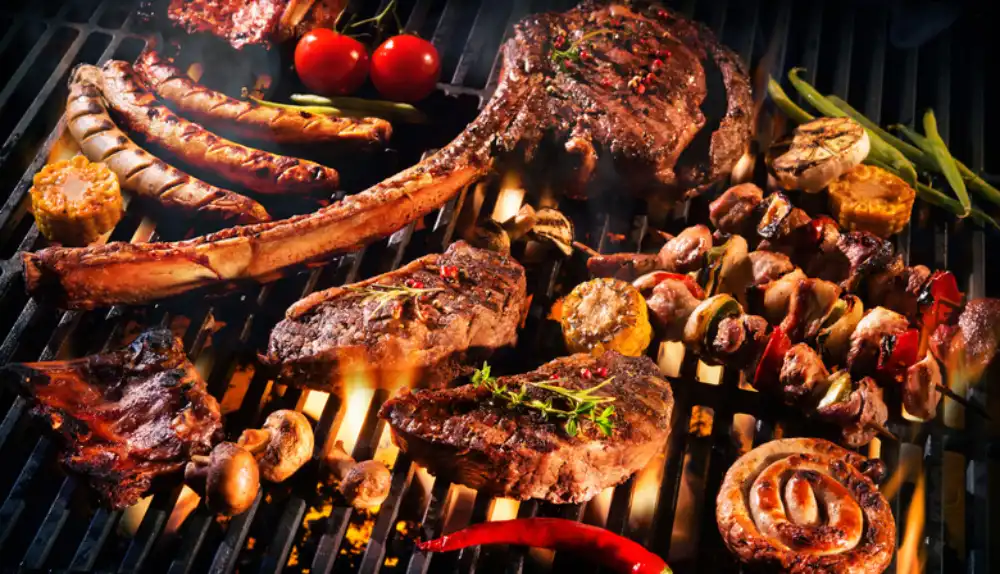
- Whey Protein Isolate: The gold standard for absorption speed. Ideal post-workout (~24g per scoop).
- Eggs: Considered the “perfect” protein due to their bioavailability (~6g per large egg).
- Chicken Breast: The bodybuilder’s staple. Lean, high-yield protein.
- Lean Beef (Sirloin/Flank): High in protein plus Creatine, Zinc, and Iron.
- Salmon: Rich in protein and Omega-3 fatty acids for inflammation control.
- Greek Yogurt (0% Fat): Twice the protein of regular yogurt, rich in Casein.
- Tuna: Extremely lean protein source (~25g per can). Note: Watch mercury intake.
- Lentils: A powerhouse plant protein rich in fiber and iron.
- Cottage Cheese: High in Casein protein, making it the perfect pre-bedtime snack.
- Tofu/Tempeh: Complete plant-based proteins that are versatile for cooking.
Highest protein foods per 100g
If you are tracking macros, efficiency matters. Here is a breakdown of the highest protein foods per 100g (raw weight) to help you hit your targets.
Data sourced from USDA FoodData Central.
| Food Source (100g Raw) | Protein Content | Caloric Density | Best For… |
| Chicken Breast | ~31g | Low | Daily Staple |
| Turkey Breast | ~30g | Low | Leaning Out |
| Beef Jerky (Lean) | ~33-50g | Moderate | Snacks (Check Sodium) |
| Tuna (Canned in water) | ~25g | Low | Pure Protein |
| Lean Beef (Sirloin) | ~26g | Moderate | Strength & Energy |
| Shrimp | ~24g | Very Low | Low-Calorie Diets |
| Salmon | ~20g | High (Healthy Fats) | Joint & Heart Health |
| Lentils (Dry) | ~25g | Moderate | Fiber & Gut Health |
| Egg Whites | ~11g | Very Low | Volume Eating |
Best protein sources for muscle gain (Animal vs. Plant)
Animal-Based Powerhouses
Animal proteins generally have higher digestibility scores (PDCAAS).
- Chicken & Turkey: Low fat, high protein.
- Dairy: Whey and Casein are the most anabolic proteins available due to high Leucine content.
Plant-Based Legends
Plant proteins are excellent for longevity and fiber intake.
- Quinoa: One of the rare complete plant proteins (~4g per 100g cooked).
- Pea & Rice Blends: A 2020 study showed that supplementing with pea protein promoted similar muscle gains to whey protein when doses were matched.
In Dubai, we are spoiled for choice. A Shish Tawook platter is an excellent source of lean chicken protein. If you are plant-based, a Hummus and Falafel bowl provides protein, but be mindful of the frying oils. For a quick snack, Laban Up provides a decent hit of dairy protein and hydration.
When Whole Foods Need Backup
While whole foods are the gold standard, protein powders and protein shakes powders offer convenience:
- Whey Isolate: Rapid absorption; ideal post‑gym.
- Casein: Slow digest; great before sleep.
- Plant Blends: Pea + rice for vegan athletes.
A meta‑analysis in the British Journal of Sports Medicine confirmed supplements amplify lean mass gains alongside resistance training (Morton et al., 2018). But remember: they supplement, not replace, balanced meals.
Signs of Protein Deficiency
What happens if you don’t eat enough? It’s rare in developed nations, but sub-optimal intake is common. Signs include:
- Muscle Wasting: You look “skinny fat” despite training.
- Edema: Swelling in legs/feet (protein regulates fluid balance).
- Hair & Nail Issues: Brittle nails and thinning hair.
- Constant Hunger: Never feeling full after meals.
Protein Myths Debunked
Myth 1: “High protein diets destroy your kidneys.”
Fact: For healthy individuals with no pre-existing kidney disease, high protein intake (up to 2.8g/kg) has been shown to have no harmful effect on kidney function in studies.
Myth 2: “You can only absorb 30g of protein at once.”
Fact: Your body will absorb almost all the protein you eat; it just takes longer. However, for optimizing muscle protein synthesis, spreading intake across 3-4 meals is superior to eating it all in one sitting.
Myth 3: “Plant protein is useless for muscle.”
Fact: While individual plant sources may be lower in certain amino acids, a varied diet (or a complete blend powder) builds muscle just as effectively as meat.
Conclusion: Make Protein Your Priority
Protein is the structural and functional foundation of your body. From the definition of protein in biology as complex amino acid chains to its practical application as the driver of muscle growth, it is the one macronutrient you cannot afford to neglect.
Whether you are aiming to build muscle, lose fat, or simply age gracefully, prioritizing high-quality protein foods is the most effective nutritional change you can make.
Your Action Plan:
- Calculate: Aim for 1.6 – 2.2g of protein per kg of body weight daily if you are active.
- Select: Choose foods from the “Top 10” list above to ensure quality.
- Distribute: Spread your protein intake across 3-4 meals.
Ready to take your nutrition to the elite level? Apply these protein rules to your diet and check out our master guide on Performance Nutrition: 6 Scientific Rules to Fuel, Recover, and Smash Plateaus to build your complete roadmap.
References
- Jäger, R., Kerksick, C. M., Campbell, B. I., et al. (2017). International Society of Sports Nutrition position stand: Protein and exercise. Journal of the International Society of Sports Nutrition, 14, 20. https://doi.org/10.1186/s12970-017-0177-8
- Schoenfeld, B. J., Aragon, A. A., & Krieger, J. W. (2013). The effect of protein timing on muscle strength and hypertrophy: A meta-analysis. Journal of the International Society of Sports Nutrition, 10(1), 53. https://doi.org/10.1186/1550-2783-10-53
- Morton, R. W., Murphy, K. T., McKellar, S. R., et al. (2018). A systematic review, meta-analysis and meta-regression of the effect of protein supplementation on resistance training–induced gains in muscle mass and strength in healthy adults. British Journal of Sports Medicine, 52(6), 376–384. https://doi.org/10.1136/bjsports-2017-097608
- Mariotti, F., & Gardner, C. D. (2019). Dietary protein and amino acids in vegetarian diets—A review. Nutrients, 11(11), 2661. https://doi.org/10.3390/nu11112661
- Popkin, B. M., D’Anci, K. E., & Rosenberg, I. H. (2010). Water, hydration, and health. Nutrition Reviews, 68(8), 439–458. https://doi.org/10.1111/j.1753-4887.2010.00304.x